13/05/2026
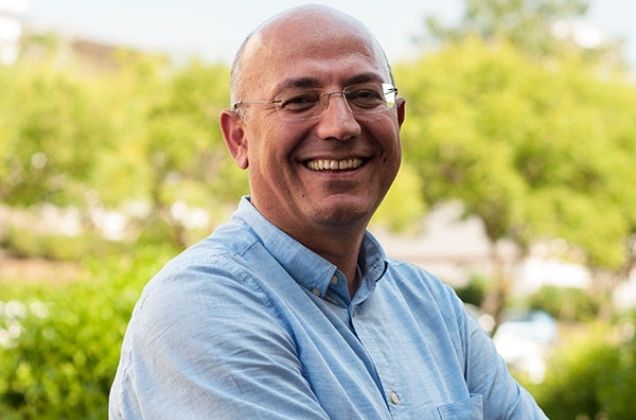
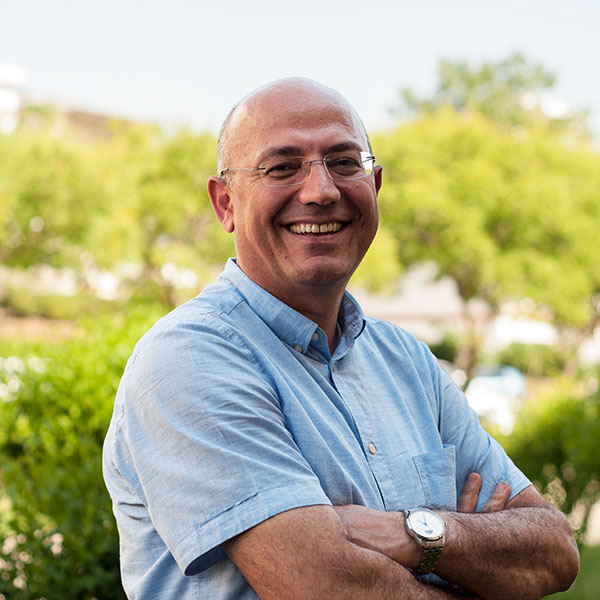
Microelectronics has become a favorite field among young people in recent years. As part of the Sabancı University Electronics Engineering Program, Microelectronics is a field with high recognition and prestige both domestically and internationally, and its importance and value continue to grow, while constantly renewing itself. Emphasizing the high demand forgraduates in this field both domestically and internationally, Professor Dr. Yaşar Gürbüz is one of the academics who contributed significantly to the establishment and development of this field at Sabancı University.
Today, one of the biggest concerns among university students in general is not being able to find the kind of job they dream of after graduation. Unfortunately, this anxiety negatively affects their academic performance while also lowering their motivation. The solution to this problem lies primarily in the student’s choice of a field that aligns with their interests, talents, and the spirit of the times. However, simply choosing the right field may not be sufficient on its own. The university you attend also needs to have a reputable position both nationally and internationally. Sabancı University is one of the places where these concerns are unlikely to arise. Thanks to its flexible education model and prestigious standing, students are given the opportunity to shape their futures with a strong sense of freedom and personal choice.
The Establishment and Development Phases
Prof. Dr. Yaşar Gürbüz is one of those who contributed to the establishment and development of the microelectronics field within the Electronics Engineering Program. Gürbüz explains that when he joined Sabancı University in 2000, construction activities were still ongoing, and he notes that, as a rare example in the world at the time, a dedicated diploma program in microelectronics was launched, courses were introduced, and laboratories were established in this field. He also points out that during this process, they worked together with Kemal İnan, the founding Dean of the Faculty of Engineering and Natural Sciences at the time, and Yusuf Leblebici, who was responsible for developing the university’s Microelectronics diploma program between 1999 and 2002.
“This is my 26th year at this faculty, with Microelectronics Engineering as a field under Electronics Engineering,” says Gürbüz, pointing out that since 2000, they have received a substantial and continuous amount of research funding in this field from the European Union, major domestic and international companies in the industry, as well as national public funding agencies. He emphasizes that since its establishment, with the significant support provided by the University to ensure sustainability, they have developed a pioneering research and educational infrastructure in this area. He also emphasizes that together with this strong educational infrastructure, leading companies and research laboratories from both Turkey and abroad directly participate in the research and educational environment. As a result, undergraduate students maintain very high levels of motivation, while many graduates go on to pursue master’s and doctoral degrees both at Sabancı University and at some of the world’s top universities. He notes that subsequently, these graduates are able to shape their futures in academia and industry by securing positions at the companies and institutions they have always aspired to join.
An Interdisciplinary Field
According to Gürbüz, microelectronics is an interdisciplinary and central field, that forms the basis of almost all modern technologies. Its areas of application are extremely broad; some examples include:
1. Consumer Electronics
Microchips are at the core and heart of devices such as smartphones, tablets, televisions, and game consoles.
2. Computer and Information Technologies
Processors (CPU), graphics cards (GPU), and memory are among the most important products of microelectronics.
3. Communication Technologies
High-frequency microelectronic circuits are used in systems such as mobile phones and networks, internet infrastructure, and satellite communication. From 1G to 4G and today’s 5G and emerging 6G systems, both current and future communication technologies’ infrastructure and use are built on this field.
4. Automotive and Transportation
In modern vehicles, engine control, driver assistance, and control system processors, safety systems (ABS, airbag, ESP, AEB), autonomous driving technologies and infrastructure operate with microelectronic circuits/systems.
5. Medical and Biomedical Devices
MRI, CT scanners, X-ray machines, DNA/blood sample diagnostic/testing sensors/systems, pacemakers, insulin diagnostic/monitoring systems, disease risk and diagnostic sensors/systems, and wearable health technologies include microelectronic circuits/sensors/systems.
6. Defense and Aerospace
Critical technologies such as radar systems, missile guidance, and satellite systems rely on high-precision microelectronic circuits and sensor systems.
7. Industry and Manufacturing
Robots, automation systems, sensor networks, and smart factories operate through microelectronic circuits, sensors, and systems.
8. Energy and Environmental Technologies
Microelectronic circuits are used in solar panels, smart grids, and energy efficiency systems.
9. Internet of Things (IoT)
From smart home devices to urban infrastructure, interconnected systems run on small, low-power microelectronic circuits and sensor components.
A Successful Education
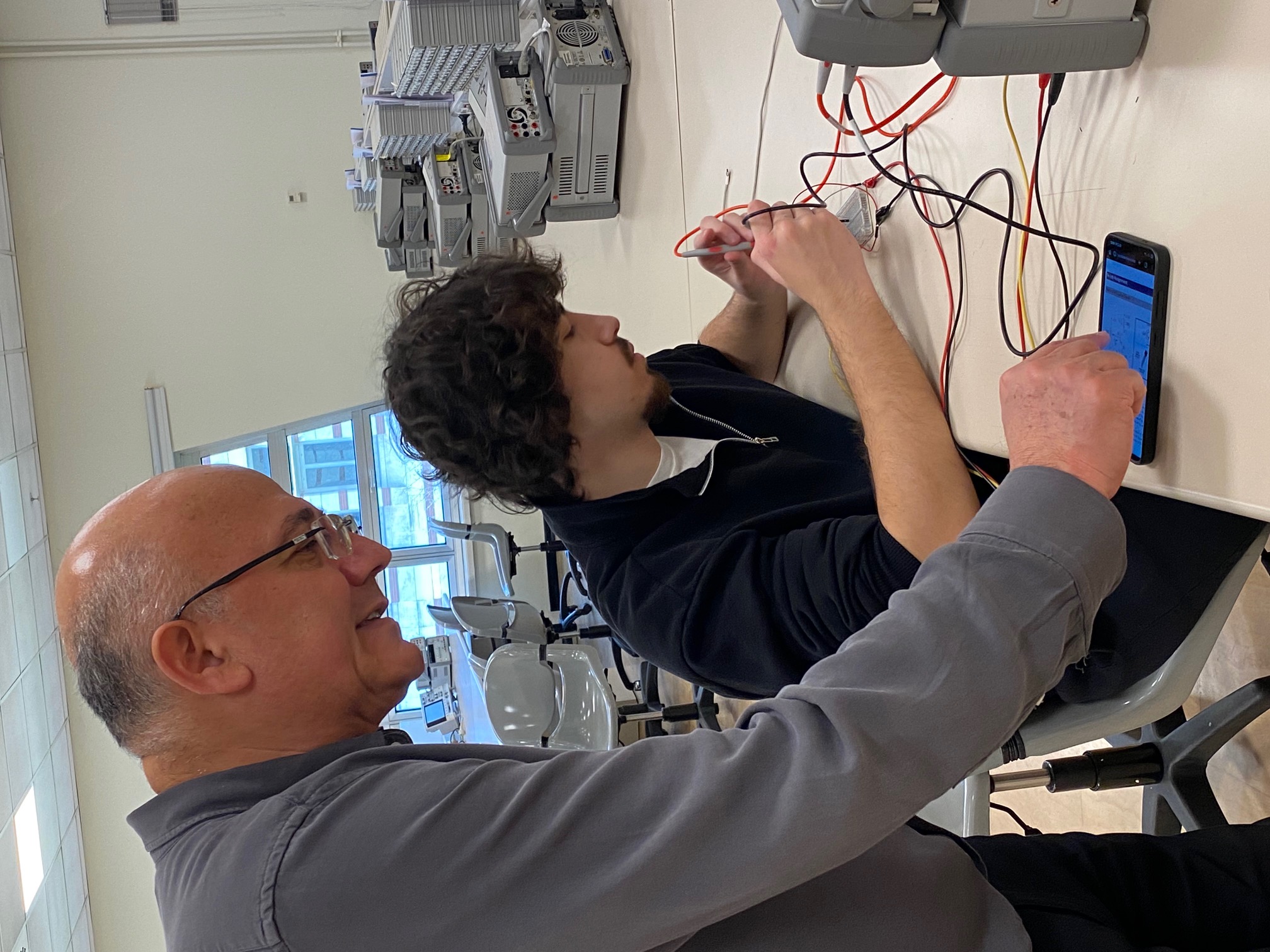
Gürbüz explains that his students receive a highly comprehensive and rigorous education that numerous courses and lab applications including the theoretical working principles of electronic/integrated devices, circuits, systems, and sensors for various applications; real-world implementation examples; as well as design and production tools and methods within laboratory environments. Students also gain experience in testing and characterization equipment through both learning and practical usage. He also notes note that students further strengthen and enrich this education through internship opportunities developed via national and international collaborations, where they directly apply their knowledge in professional environments. In addition, through their senior thesis projects, students gain a very strong academic and practical foundation. Gürbüz emphasizes that, far beyond the standard undergraduate level in electronics, students acquire a level of competence and specialization in microelectronics that can compete with the world’s leading universities in the field. Furthermore, Gürbüz highlights that his students take courses from different disciplines such as robotics, computer science, physics, materials science, and biology according to their application interests. Through this interdisciplinary education, they are trained with a holistic skill set that enables them to contribute to, shape, and develop the technologies of the future.
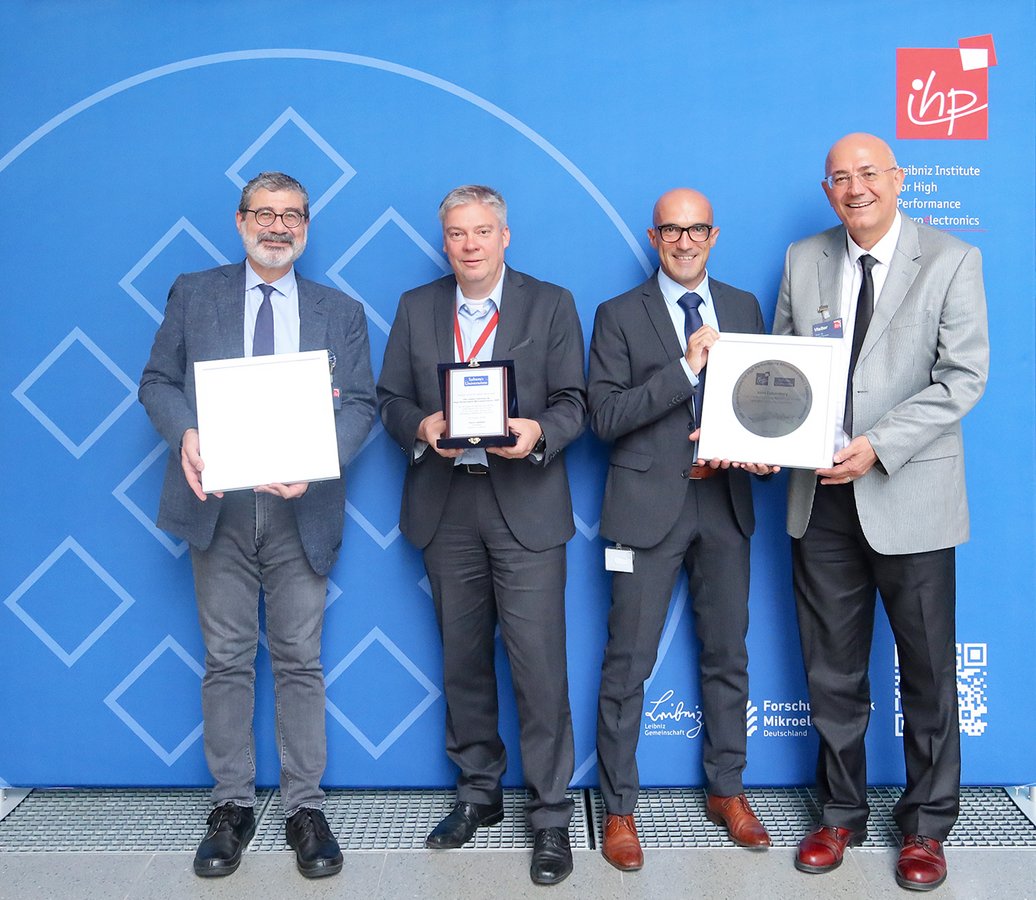
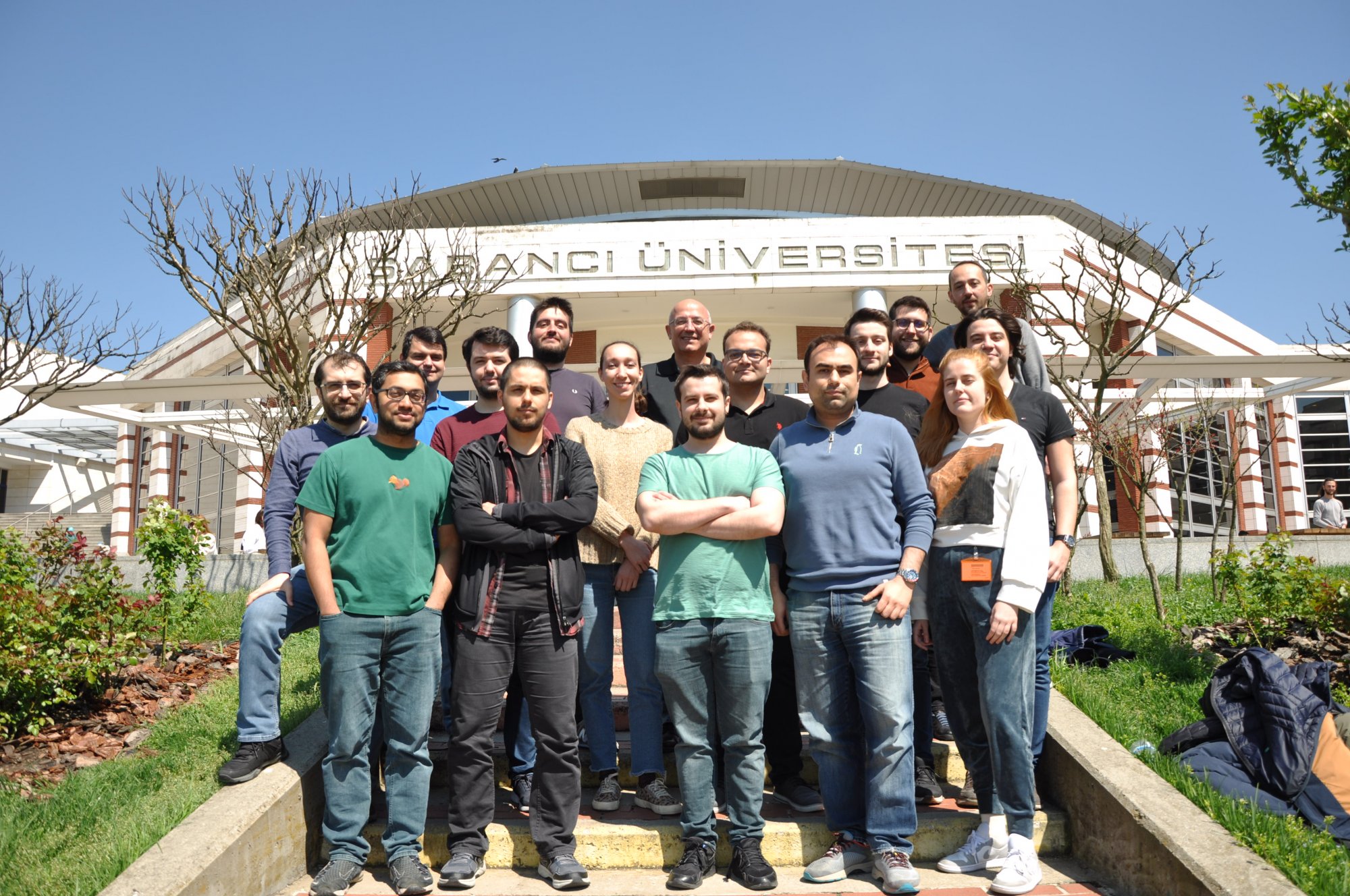
In the field of microelectronics, an exemplary model of collaboration built on this competitive educational and research capability can be seen in the partnership/collaboration efforts with the Leibniz Institute for Innovative Microelectronics (IHP-Microelectronics) in Frankfurt-Oder, Germany, which began with a collaboration under an EU project in 2004, and was subsequently institutionalized in 2014 with the "More-Than-Moore" Joint Laboratory working model. These partnerships have been continuously evaluated and renewed every three years for over the past 20 years. The collaborative work, which began with the successful integration and commercialization of the world's first RF-MEMS switch device developed with contributions from the Sabancı University team — into the RF integrated circuit fabrication process through the expertise of IHP Microelectronics, has evolved into pioneering joint research in the field of RF/THz integrated circuits and systems. This collaboration is a rare example/model/productive partnership in the field of microelectronics worldwide, enabling over 100 undergraduate Electronic Engineering students and more than 10 graduate/doctoral students to complete internships at IHP. More than 50 master’s and doctoral thesis projects were provided with integrated circuit fabrication opportunities. Through the contributions of this partnership, millions of dollars in national and international research grants and projects have been jointly developed, and these funds have been transformed into student scholarships and laboratory infrastructure at the university.
Furthermore, the collaboration has led to the publication of more than 100 scientific papers in some of the most influential journals and conferences in the field. During the same period of collaboration, approximately 15 Sabancı University – Electronics Engineering graduates also took researcher/engineer positions at IHP and its spin-off companies, and world-renowned IHP Microelectronics researchers contributed to undergraduate/graduate courses and served as co-supervisors for theses at Sabancı University.
Within the scope of this collaboration, even in the last year alone, Sabancı University and IHP Microelectronics have continued their active cooperation. During this summer term, IHP will again provide internship opportunities for 10 Electronics Engineering undergraduate students. At present, 2 graduate students are completing year-long internships at IHP. In addition, 5 new research projects have been initiated, and 5 conference and journal publications are currently under evaluation.
Graduates Seek Opportunities More in Europe and America (the West)
The Electronic Engineering Program, at Sabancı University's is the highest-ranked engineering program within the university, and is also one of the best-ranked programs in this discipline in Turkey. Furthermore, our Electronic Engineering program has gained prestigious global recognition, and its graduates are described as a "gold standard" in academia. Therefore, Gürbüz notes that our graduates find it easier to secure jobs in academia and industry, particularly in the West. He also states that more than 50% of our graduates pursue master's or doctoral degrees abroad, but these graduates could return to Turkey if conditions become more favorable in the field of their expertise. He emphasizes that despite global challenges, the West still offers an appealing model; however, our graduates, especially those with advanced educational competencies, may increasingly choose to return to their home country.
Future Plans and Projects
We asked Gürbüz about the projects he wants to undertake in the field of microelectronics at Sabancı University in the future: “Our group currently has 6 ongoing projects and 2 additional projects under evaluation. These are supported through national and international collaborations and partnerships, and they also include planned future work. In general, these projects focus on using integrated circuit technologies to develop communication functionalities (such as SATCOM, 5G/6G applications) and sensor functionalities (such asRADAR) as modular structures on the same circuits and systems using integrated circuit technologies, and enabling their use in multiple applications.”
“As in the past 26 years, our goal for the upcoming period is to ensure the continuity of our high-quality academic and project work on integrated circuits, systems, and sensors in the field of microelectronics, and at the same time, to continue training undergraduate/graduate students equipped with the highest level of theoretical and practical knowledge in this field, which is becoming increasingly influential and important both in our country and in the world.”
So, are they planning to establish new collaborations with other centers besides IHP in the future? Gürbüz explains that they are not limited to a single center: “In this direction, our work continues with similar microelectronics centers both in the Far East and in Europe, and our aim is to reach a model-collaboration level similar to IHP with these centers over time, as the mutual benefit levels increase.”
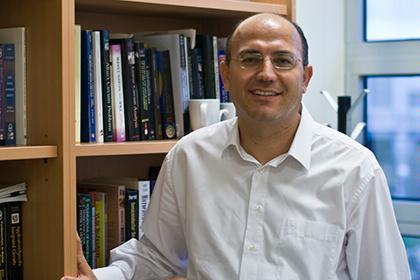
Dr. Yaşar Gürbüz
Professor Dr. Yaşar Gürbüz completed his PhD in 1997 in Electrical and Computer Engineering, with a specialization in Microelectronics, at Vanderbilt University (USA). Between 1997 and 1999, he worked as a research and teaching assistant at Vanderbilt, while also working as a consultant for Physitron (USA) on sensor technologies. Between 1999 and 2000, he worked at Aselsan. In 2000, he joined the Faculty of Engineering and Natural Sciences at Sabancı University as a faculty member. His research areas include microelectronic systems and RF/microwave integrated circuits/systems, analogue and mixed signal integrated circuits, micro-electromechanical systems (MEMS), and solid-state sensors and actuators.